العبور
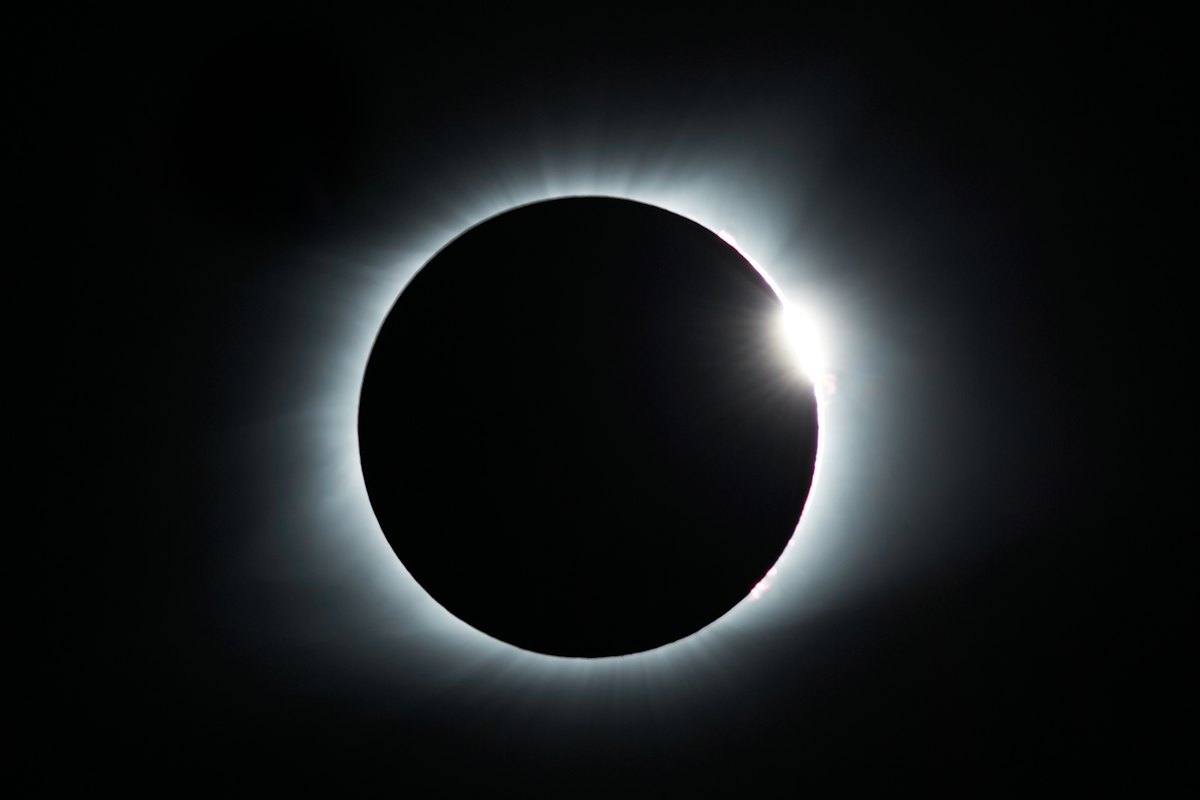
الموقع الحالي للكواكب وهو يتفاعل لحظيًا مع خريطة ميلادك. مصدر التوقعات اليومية والشهرية. عند قراءة العبور، الأهم هو ما إذا كان الكوكب يشكل جانبًا مع كواكب ميلادك. لا برجه وحده.
ما هو هذا المفهوم
العبور الفلكي (Transit) هو الحركة المستمرة والحقيقية للكواكب السيارة في السماء اليوم في مداراتها حول الشمس، ومقارنة مواقعها اللحظية بالمواقع الثابتة التي كانت تحتلها الكواكب في هيئة ولادتك.
يمثل العبور عقارب الساعة الكونية في حركتها الدائبة؛ إنه الأداة الأساسية للتوقيت الفلكي التي تشير إلى 'متى' تنشط طاقات معينة في حياتك، وما هي الأبواب التي تُفتح أو تُغلق في مرحلة زمنية محددة.
كيفية قراءته في الخريطة
تقرأ العبورات بالتمييز بين الكواكب السريعة (القمر، عطارد، الزهرة، المريخ) التي تسبب تقلبات يومية وأمزجة عابرة تدوم لساعات أو أيام، وبين الكواكب الثقيلة والبطيئة (المشتري، زحل، أورانوس، نبتون، بلوتو) التي تستمر لشهور وسنوات وترسم محطات التغيير الكبرى في العمر.
لاحظ البيت الفلكي الذي يمر فيه الكوكب العابر حالياً في خريطتك، وانتبه للاتصالات التي يشكلها بالدرجة الدقيقة مع كواكبك الميلادية؛ فاتصال قران أو تربيع من زحل العابر بالشمس يمثل فترة لاختبار الجدارة وتحمل المسؤوليات الجادة.
الأثر العملي والتطبيقي
لا تجلب العبورات أحداثاً من خارج ذاتك رغماً عنك، بل تثير وتوقظ العمليات النفسية والتطورية التي حان أوان نضجها. فهم حركة العبور يساعدك على التناغم مع فصول حياتك: معرفة متى تزرع وتتوسع، ومتى تحصد، ومتى تصبر وتعيد ترتيب أوراقك.
إن توقع مواعيد العبورات يمنح الإنسان هدوءاً نفسياً ورؤية ثاقبة، فيستقبل فترات التحدي برباطة جأش ووعي، ويستغل فترات الانفراج والفرص بأقصى درجات الفاعلية والاستباقية.
علاقته ببقية عناصر الخريطة
القاعدة الذهبية في التنجيم تنص على أن 'العبور لا يمكنه تحقيق ما لم تعد به خريطة الميلاد أصلاً'؛ فالعبور هو الموقظ والمحفز لوعود كامنة في بنية شخصيتك منذ لحظة ولادتك الأولى.
وتتكامل دراسة العبورات دائماً مع الفرداريا والتحويل الشمسي؛ فالعبور الفلكي الذي يتطابق كوكبه مع حاكم سنتك الحالية يكون له الأثر الأقوى والأكثر حسماً في مجريات الأحداث.