خريطة الميلاد
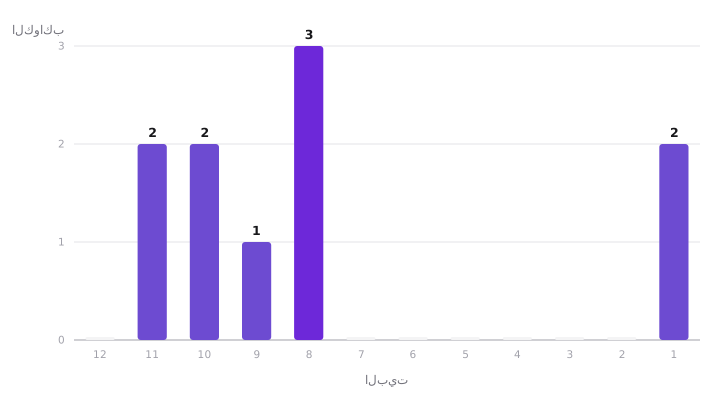
خريطة السماء في لحظة ومكان ولادتك. الأساس الذي تبنى عليه الشخصية ومسار الحياة. الشمس والقمر والكواكب والبيوت والجوانب معًا تعطي الخريطة الكاملة لشخصيتك ومسارك.
ما هو هذا المفهوم
خريطة الميلاد (أو هيئة الولادة) هي لقطة فلكية وهندسية متكاملة لقبة السماء في اللحظة الزمنية الدقيقة والإحداثيات الجغرافية المحددة لولادة الإنسان. إنها تمثل الخريطة التأسيسية التي توثق مواقع الشمس والقمر والكواكب والأوتاد والبيوت.
تعتبر خريطة الميلاد بمثابة بصمة طاقية فريدة لا تتكرر، تصف البنية النفسية الفطرية للإنسان، ومخزون مواهبه، والتحديات الأساسية التي تشكل محور رحلته التطورية في هذه الحياة.
كيفية قراءته في الخريطة
تقرأ الخريطة من خلال منهج تركيبي يبدأ من النظرة الكلية: التوازن بين العناصر الأربعة (النار، التراب، الهواء، الماء) والأنماط الثلاثة (المنقلب، الثابت، المتغير)، وطبيعة الهيئة هل هي نهارية أم ليلية.
ثم ينتقل التحليل إلى الثالوث الأساسي: الشمس (الجوهر والهدف)، والقمر (المشاعر والغرائز)، والطالع (الواجهة والجسد وحاكم الخريطة)، قبل الخوض في شبكة الاتصالات بين الكواكب وتوزيعها داخل البيوت الاثني عشر.
الأثر العملي والتطبيقي
ليست خريطة الميلاد قدراً حتمياً مقيداً للإرادة، بل هي أداة تشخيصية وبوصلة للوعي الذاتي العميق. إنها تشرح لماذا تتكرر لديك أنماط معينة من المشاعر أو التجارب، وأين تكمن قوتك الخفية التي يمكنك استثمارها.
عندما يفهم الإنسان تناقضات خريطته الميلادية، يتوقف عن لوم نفسه على طباعه الفطرية، ويتعلم بدلاً من ذلك كيفية إدارة صراعاته الداخلية بذكاء وبناء حياة تتناغم مع أصالته الحقيقية.
علاقته ببقية عناصر الخريطة
تشكل خريطة الميلاد الأساس الثابت الذي تُقاس عليه كافة تقنيات التنبؤ وحساب الفترات؛ فحركات العبور الحالية، والتحاويل الشمسية، والفرداريا، والتسيير لا يمكنها أن تعطي نتائج إلا إذا كانت متجذرة أصلاً في وعود هيئة الولادة.
كل ما يقع في المستقبل هو مجرد إيقاظ وتفعيل للبذور الكامنة التي غُرست في خريطة ميلادك في اللحظة الأولى التي أبصرت فيها النور.