الجانب
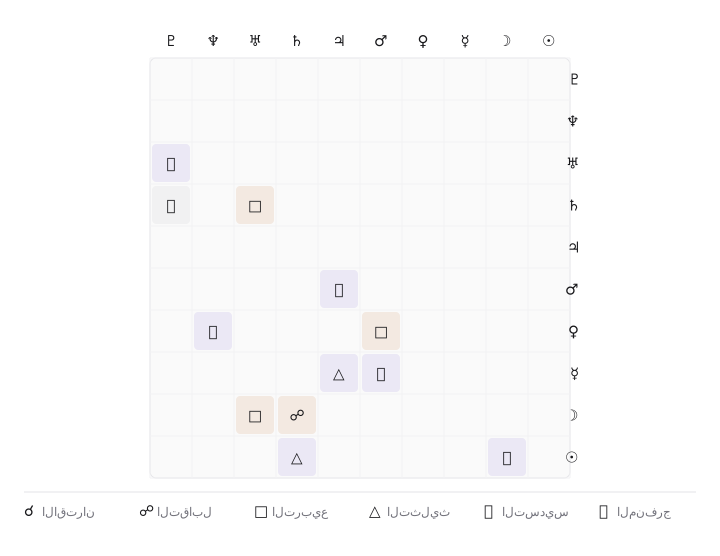
العلاقة الزاوية بين كوكبين، وهي التي تحدد ما إذا كانت طاقتاهما تتعاونان أم تتصادمان. الجوانب الرئيسية هي الاقتران والتسديس والتربيع والتثليث والمقابلة، ولكلٍّ منها قوته وموضوعه الخاص.
ما هو هذا المفهوم
الاتصال الفلكي هو زاوية هندسية محددة تتشكل بين كوكبين أو نقطتين حساسيتين في دائرة البروج عند النظر إليها من مركز الأرض. لا تتحرك الكواكب في عزلة، بل تتبادل التأثير والأنظار وفق نسب رياضية مستمدة من تناغم الدائرة.
في التراث الفلكي الرصين، تشتق الاتصالات الرئيسية من تقسيم دائرة 360 درجة على الأعداد الأولية: القران (0°)، التسديس (60°)، التربيع (90°)، التثليث (120°)، والمقابلة (180°). كل زاوية تخلق نوعاً فريداً من الحوار الطاقي بين الكوكبين المعنيين.
كيفية قراءته في الخريطة
لقراءة الاتصال، يجب فحص طبيعة الكوكبين المتصلين، ونوع الزاوية الهندسية، ومدى قربها من الدرجة التامة (ما يعرف بجرم الاتصال أو الفسحة). كلما كان الجرم ضيقاً، كان الاتصال أكثر قوة وتأثيراً في حياة صاحب الخريطة.
يميز الفلكيون أيضاً بين الاتصال المتصل (الذي يقترب من التمام وتزداد طاقته زخماً وتوجهاً نحو المستقبل) والاتصال المنفصل (الذي تجاوز التمام ويبين مواهب موروثة أو دروساً نفسية استقرت بالفعل في البناء الشخصي).
الأثر العملي والتطبيقي
الاتصالات السهلة كالتثليث والتسديس تصف تدفقاً سلساً للطاقة ومواهب طبيعية قد لا يبذل الشخص جهداً كبيراً لتطويرها. بينما الاتصالات الصعبة كالتربيع والمقابلة تولد احتكاكاً وتوتراً داخلياً محركاً يدفع نحو الإنجاز والتغلب على التحديات.
لا توجد في علم التنجيم زاوية جيدة تماماً أو سيئة تماماً. التثليث المفرط قد يولد الكسل والاستسلام للراحة، في حين أن التربيع والضغوط الفلكية هي المحرك الحقيقي للنمو الشخصي والابتكار وبناء الإرادة.
علاقته ببقية عناصر الخريطة
تعمل الاتصالات كشبكة عصبية تربط البيوت المختلفة ببعضها البعض. عندما يتصل حاكم البيت الثاني بحاكم البيت العاشر، يرتبط الدخل المالي مباشرة بالمكانة المهنية والعمل العام.
تتجمع الاتصالات أحياناً لتشكل أنماطاً مركبة مثل المثلث الأكبر، أو المربع التائي، أو الصليب الأكبر، وهي تشكيلات هندسية تحدد المحاور المحورية للتطور النفسي والروحي لصاحب الخريطة.