الفرداريا
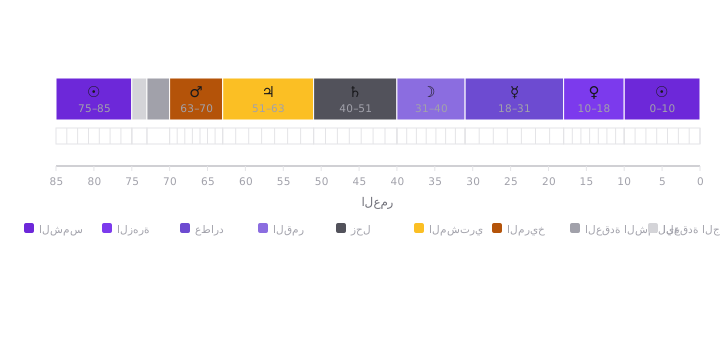
نظام زمني من العصور الوسطى يقسم الحياة إلى فترات كوكبية متعاقبة، ويُظهر أي كوكب يحكم الحاضر. الفترات الكبرى في الفرداريا تمتد لسنوات وتؤطر فصولًا كاملة؛ أما الصغرى فتقسمها إلى مقاطع أقصر.
ما هو هذا المفهوم
الفرداريا (وهي لفظة معربة من الفارسية والأصل العربي 'الفردارات') هي إحدى أرقى تقنيات توزيع السنين وحكام الفترات الزمنية في علم التنجيم التنبؤي الكلاسيكي والإسلامي. اعتمدها أبو معشر البلخي في القرن التاسع الميلادي لتحديد الإيقاع الفلكي لحياة الإنسان.
تقوم الفرداريا على فكرة أن كل مرحلة عمرية محددة تخضع لحكم كوكب رئيسي يدير شؤون تلك السنوات، وتتفرع عنه فترات فرعية أصغر يحكمها كوكب شريك، مما يرسم خريطة واضحة لتسلسل فصول العمر وتغير أولوياتها.
كيفية قراءته في الخريطة
يحدد تسلسل الفرداريا بناءً على طبيعة الولادة: نهارية (الشمس فوق الأفق) أم ليلية (الشمس تحت الأفق). في المواليد النهارية، يبدأ الترتيب بحكم الشمس لعشر سنوات، تليه الزهرة، فعطارد، فالقمر، فزحل، فالمشتري، فالمريخ، ثم العقدتان.
أما في المواليد الليلية، فيبدأ الترتيب بالقمر لتسع سنوات، يليه زحل، ثم المشتري، فالمريخ، فالشمس، فالزهرة، فعطارد، ثم العقدتان. لمعرفة جودة الفترة، انظر إلى موضع كوكب الفردار الحاكم في خريطة ميلادك واتصالاته وبيته.
الأثر العملي والتطبيقي
تمنحك الفرداريا وضوحاً فائقاً حول الغاية الكبرى للسنوات التي تعيشها حالياً. فعندما يدخل المرء في فردار المشتري، تتجه الحياة عادة نحو التوسع والدراسة والترقية والنمو المالي والروحي.
وعلى العكس، فإن فترات زحل تتطلب التأسيس الجاد وتحمل المسؤوليات والصبر وإعادة تنظيم البنية الحياتية. فهمك للكوكب الحاكم يجنبك محاربة التيار الطبيعي لمرحلتك العمرية ويوجه جهودك في المسار الأمثل.
علاقته ببقية عناصر الخريطة
لا تعمل الفرداريا في فراغ؛ فحين يصبح كوكب ما حاكماً للفردار الرئيسي، تصبح كافة دلالات البيوت التي يحكمها والتي يحل فيها في حالة نشاط قصوى واستعداد للتجسد في الواقع المعاش.
وتتكامل الفرداريا تكاملاً وثيقاً مع حركات العبور اليومية والتحاويل الشمسية؛ فالعبور الفلكي لكوكب يحكم فردارك الحالي يكون له وزن مضاعف وتأثير مصيري يفوق عبور أي كوكب آخر خامل.