How to Read Firdaria Periods: Time Lords and Life Rhythm
Firdaria is a classical timing system that divides your life into planetary periods: reading it tells you which planet rules this chapter of your life and what it's about.
Written and reviewed in house by the AstroStarCheck research team. Astronomical positions come from the Swiss Ephemeris; interpretive rules are checked against the classical texts listed under Sources.
What Are Firdaria?
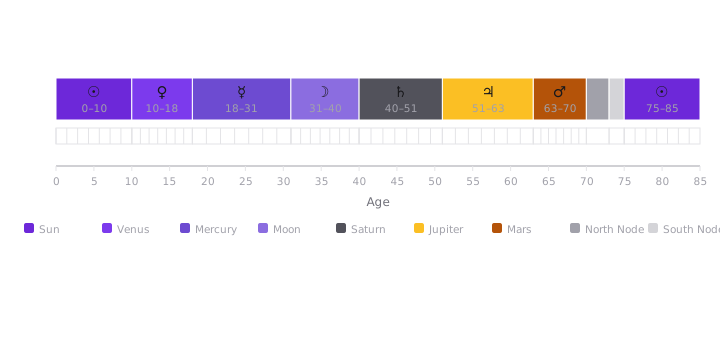
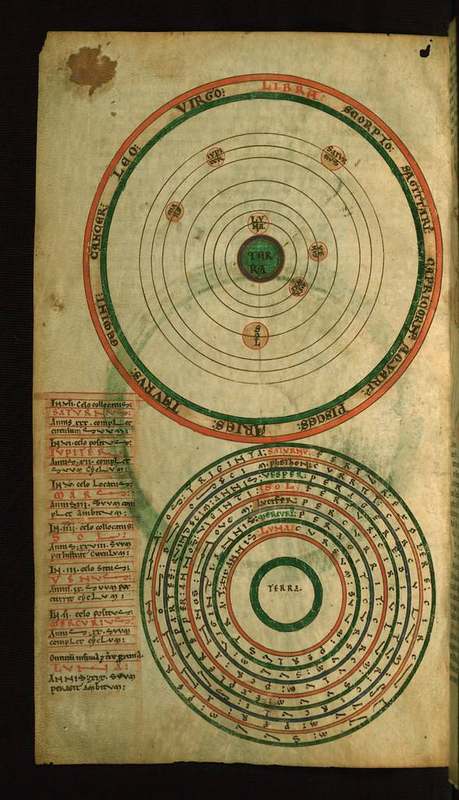
Firdaria are ancient Persian time lords that divide your life into planetary periods. Each period is ruled by a planet, like Saturn for about 11 years, Jupiter for 12, and so on. They reveal the overarching themes, challenges, and gifts of each life stage.
Computing Your Firdaria Sequence
The sequence starts from the Ascendant degree. For a day birth (Sun above horizon), begin with the Sun. For a night birth, start with the Moon. Then follow the Chaldean order: Sun, Venus, Mercury, Moon, Saturn, Jupiter, Mars (day); Moon, Saturn, Jupiter, Mars, Sun, Venus, Mercury (night). Each planet gets its set years.
Major and Minor Periods
The major period is the overall ruler for that life chapter. Within it, minor Firdaria subdivide the time into smaller planetary sub-periods. The minor ruler colors the current year or month, adding nuance. For example, a Saturn major with a Venus minor might feel heavy but with softened edges.
Reading the Rulership: Sign and House
To interpret a Firdaria period, examine the ruling planet's sign, house, and aspects in your natal chart. A well-placed Jupiter brings expansion; a stressed Mars may bring conflict. Also check the natural significations: Saturn rules time, structure, and limits; Venus rules love, money, and values.
Combining Firdaria with Transits
Transits activate the Firdaria themes. When a transiting planet aspects your natal ruler of the current major period, that triggers key events. For instance, if you are in a Saturn Firdaria and Saturn transits your Ascendant, expect serious life restructuring. Transits provide the timing, Firdaria the tone.
Progressions and the Life Rhythm
Progressions show inner evolution. A progressed New Moon or a progressed planet changing sign can mark major shifts within a Firdaria period. Pairing progressed aspects with the minor Firdaria ruler refines the narrative. The rhythm emerges: major period sets the decade's story, minor period shapes each chapter, and transits/progressions add the daily pulse.
FAQ
How do I know if I have a day or night birth?
Check whether the Sun was above the horizon (visible in the sky) at your moment of birth. If yes, it is a day birth and you start your Firdaria sequence with the Sun. If the Sun was below the horizon, it is a night birth and you start with the Moon. Your birth chart's Ascendant and house cusps will confirm.
What if my Firdaria ruler is retrograde in my natal chart?
A retrograde ruler often turns the period inward. For example, retrograde Mercury may bring repetitive lessons in communication or a focus on internal thought. However, retrogradation does not cancel the period; it just alters the delivery. Look at the house and aspects for the full picture.
Can Firdaria overlap with other time lord techniques?
Yes. Firdaria can be used alongside profections, solar returns, and zodiacal releasing. They work best as a broad framework. For precision, layer transits and progressions. If Firdaria indicate a Saturn year and you also have a Saturn return, that period becomes especially prominent.
How do minor Firdaria work in practice?
Minor periods divide the major period into sub-ruled chunks. For example, a major Jupiter period of 12 years has minor periods for each planet, each lasting a fraction of the major. A minor Venus segment might highlight relationships, while a minor Mars segment could bring action. Use the minor ruler as a filter on the major theme.
Sources and further reading
Astronomical positions and interpretive rules on this page are checked against these works.
- Swiss Ephemeris (Astrodienst) (the ephemeris library behind every chart calculation)
- Firdaria (AstroWiki)
- Hellenistic astrology (historical and technical resources on Hellenistic practice)
- Ptolemy, Tetrabiblos. Loeb Classical Library, 1940. LacusCurtius, University of Chicago